


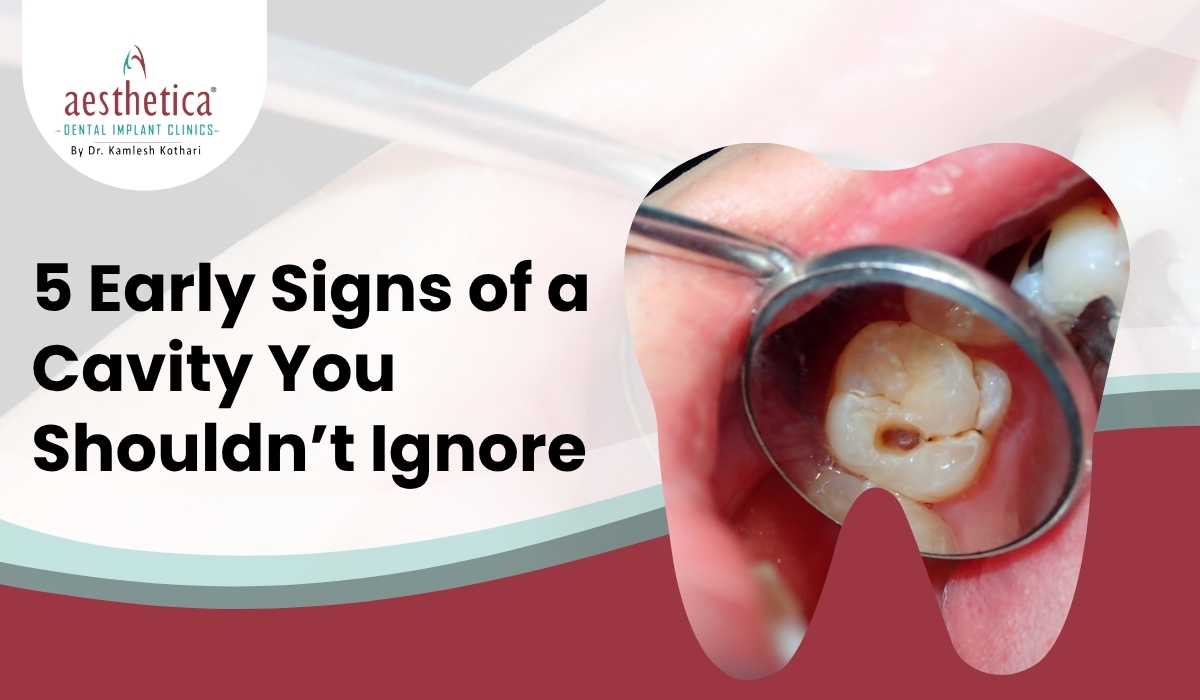
Ever felt a sharp twinge when sipping something cold? Noticed a tiny dark spot on your tooth and wondered, “Is this something I should worry about?” You’re not alone. Many people delay visiting the dentist because there’s no pain—yet. But the truth is, by the time discomfort shows up, the cavity has often gone deeper than you think.
If you’re looking for cavity fillings in Kolkata, chances are you’re trying to catch the problem before it gets worse. And that’s a smart move. In this blog, we’ll help you understand the early signs, the benefits of timely care, and why acting early makes all the difference.
1. Sudden Sensitivity To Hot Or Cold? It’s Not “Nothing”
Have you ever winced while sipping something hot or cold, even when it’s mild? This isn’t always a temperature thing. It could be your tooth’s way of signalling that enamel is breaking down.
That enamel layer is your tooth’s shield. When it starts thinning due to decay, sensations reach the inner layer (dentin), triggering sensitivity. You might feel a zapping sensation or dull ache, especially with ice cream or tea.
Why you shouldn’t ignore it:
Mild sensitivity is one of the earliest indicators of cavity formation. A small filling can restore protection before decay reaches deeper tissues. Left alone, it may worsen and require more involved dental work.
2. Visible Pits Pr Holes—Even Tiny Ones—Are Worth Noticing
Our mouths are hard to self-inspect, but if you notice a small pit or hole while brushing, don’t ignore it. Cavities often start as tiny breaks or dark spots in the enamel.
At first, you may not feel any pain. But these small imperfections are a red flag that decay has already started eating away at the tooth.
Why you shouldn’t delay:
Tiny cavities are quick and easy to fill, often in one sitting. But the longer they’re left untreated, the more tooth structure is lost, making fillings more complex or requiring additional treatments like crowns.
3. Discoloration That Doesn’t Go Away? Time For A Closer Look
Discoloration is common, but not all stains are from coffee or food. If you notice brown, black, or white spots that don’t brush off, it may indicate enamel weakening or decay underneath.
White spots, in particular, often mark the first stage of demineralization. This means minerals are leaching from your enamel, and decay could follow.
Why this matters:
A cavity caught at this stage is easily reversible or fillable. Dentists at Aesthetica may recommend a fluoride treatment or a minor filling to stop progression. Discoloration isn’t always cosmetic—it can be a quiet warning.
4. Food Keeps Getting Stuck In One Spot? Don’t Keep Picking
If food consistently gets lodged between certain teeth, that’s not just an annoying habit—it could be due to a developing cavity or a breakdown in existing filling material.
A small crack or gap in enamel allows food and bacteria to settle in, and repeated cleaning might irritate your gums or worsen the gap.
Why this shouldn’t be brushed off:
Left untreated, these food traps can turn into deep cavities or infections. A tiny filling can seal off the space and restore normal function—no more endless flossing or poking.
5. White Spots Along The Gum Line? That’s Enamel Under Attack
Most people associate cavities with dark spots, but chalky white patches near the gums are one of the earliest signs. These areas appear when plaque acid begins softening the enamel, usually due to poor brushing habits or diet.
Why early attention helps:
White spot lesions can often be treated with fluoride, remineralization agents, or small fillings before the decay spreads. They’re subtle but highly treatable signs if caught early.
If you see white patches in the mirror, don’t panic—just take it as your cue to schedule a dental evaluation with the best dentist in Kolkata.
Why Early Cavity Fillings In Kolkata Make All The Difference
Most people put off going to the dentist until something hurts. But here’s a little-known truth: by the time you feel pain, the problem has often gotten bigger than it needed to be.
Cavities don’t appear overnight. They begin quietly, sometimes as just a soft spot in the enamel or a tiny bit of discoloration. When spotted early, treating them is far simpler and less invasive than many expect.
Here’s why early cavity fillings are actually the easiest kind of dental work:
- Less drilling: When decay is minimal, your dentist doesn’t need to remove much of the tooth, just the damaged part.
- Often no numbing needed: Since the nerves aren’t affected yet, you might not even need anesthesia.
- More of your natural tooth is preserved: Acting early helps avoid deeper decay that might weaken or fracture the tooth.
- Quick recovery: With small fillings, you’re in and out of the chair faster, and back to eating, talking, and smiling like usual.
These are some of the most common questions we hear from patients at our clinic, especially when it comes to cavity fillings. If you’ve been wondering about the process, aftercare, or what to expect, you’re likely not the only one. Let’s clear things up:
1. Do I really need a filling if my tooth doesn’t hurt?
2. How long does a cavity filling take?
3. Can a filling fall out or need replacement?
4. What should I avoid after getting a filling?
5. How long do cavity fillings last?
Tooth troubles often start small, but ignoring them can lead to bigger problems down the line. If you’ve noticed sensitivity, spots on your teeth, or food getting stuck, it’s worth getting it checked early. The good news? Cavity fillings in Kolkata are quick, simple, and nothing to fear, especially when done on time.
At Aesthetica, we offer advanced and gentle dental treatment in Kolkata, designed to catch and treat cavities before they become painful. With a team led by the best dentist in Kolkata, we focus on early diagnosis, gentle care, and long-lasting solutions to keep your smile healthy and strong


