

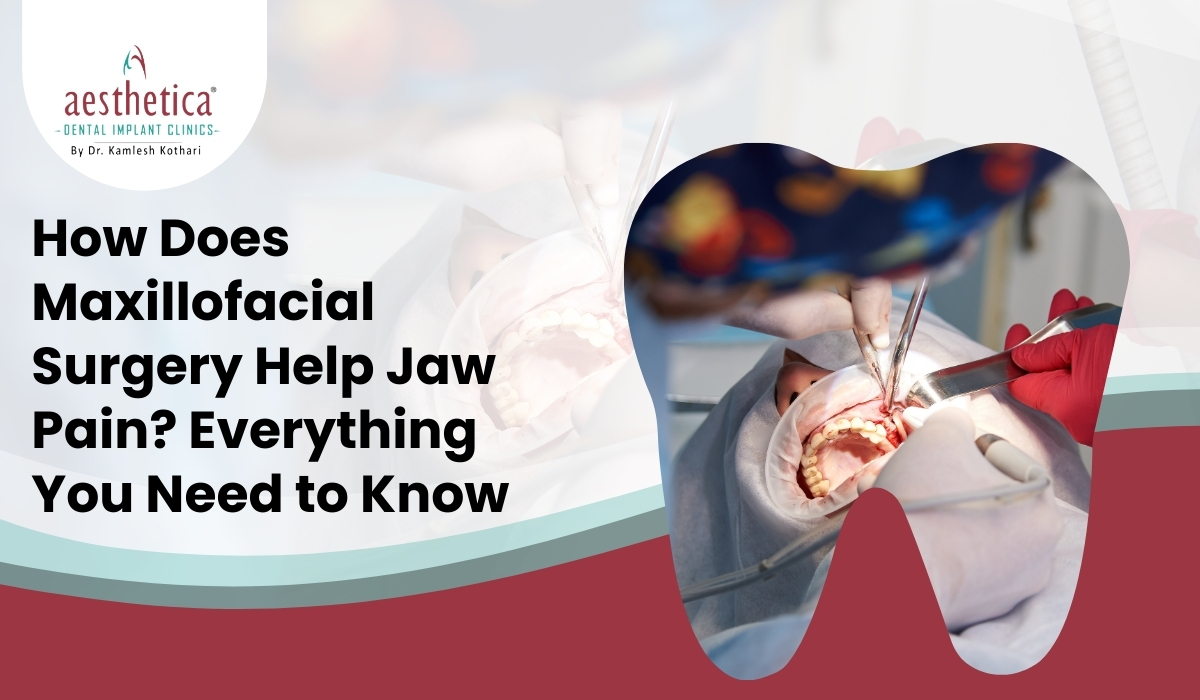
can quietly build up and take a real toll on your daily life. That’s where maxillofacial surgery steps in.
Unlike general dentistry, this specialty doesn’t just fix teeth—it focuses on the whole structure of your face, jaw, and mouth. Whether it’s impacted wisdom teeth, sleep apnea, or a jaw that just doesn’t align right, maxillofacial surgeons are trained to restore both function and appearance.
Let’s walk you through everything you need to know—so you’re not left guessing about your health.
What Exactly Is Maxillofacial Surgery?
In simple terms, maxillofacial surgery is the branch of medicine that deals with the bones and soft tissues of your face, mouth, and jaws. The word itself sounds a bit intimidating, but it really just combines “maxilla” (your upper jaw) and “facial”—so it quite literally covers your jaw and face.
Think of it as the bridge between dentistry and surgery. Maxillofacial surgeons are uniquely trained to handle both medical and cosmetic concerns. Whether it’s repairing facial trauma, treating oral diseases, or reshaping your jaw for better alignment—they do it all with one goal in mind: restoring your comfort and confidence.
Why Should You Even Consider Maxillofacial Surgery?
Let’s be honest—most of us try to avoid surgery if we can. But when daily discomfort becomes your norm, or you can’t sleep well because of breathing issues, it’s time to think differently.
Maxillofacial surgery isn’t just about appearance (though that’s often a bonus). It addresses conditions that can affect how you chew, speak, breathe, or sleep—things we usually take for granted. Common problems like:
- Chronic jaw pain or misalignment
- Impacted wisdom teeth
- Facial trauma or fractures
- Obstructive sleep apnea
- Cysts, tumors, or white patches in the mouth
Leaving these untreated doesn’t just affect your comfort—it can lead to infections, speech issues, or even long-term health complications. The right treatment can be life-changing.
Most Common Maxillofacial Surgery Treatments Explained Simply
Maxillofacial surgery covers a wide range of conditions—some functional, others cosmetic, and many a mix of both. Here’s an overview of some of the most commonly performed maxillofacial surgery treatments:
1. Wisdom Teeth Removal
Wisdom teeth that don’t grow in properly can cause pain, swelling, and even damage nearby teeth. Aesthetica’s expert team removes these in a quick, efficient procedure—typically done in under an hour. Recovery is usually smooth with the right aftercare.
2. Dental & Jaw Cyst Removal
Cysts sound scary, but they’re more common than you think. Left alone, they can harm surrounding teeth or nerves. Aesthetica removes them safely, using techniques that protect nearby structures for optimal healing.
3. Oral Leukoplakia (White Patches)
Noticing white or rough patches in your mouth? They might be early signs of a precancerous condition. Aesthetica uses gentle laser treatments to remove these patches with minimal pain and scarring.
4. Oral Sub‑Mucous Fibrosis
Often linked to chewing tobacco, this condition stiffens the mouth lining and makes speaking or eating difficult. Aesthetica offers specialized surgeries to release tight tissues and restore comfortable movement.
5. Obstructive Sleep Apnea (OSA)
Tired of snoring—or waking up gasping for breath? This could be due to OSA. Aesthetica offers jaw advancement surgery that opens up your airway. Bonus: it often improves facial symmetry too.
6. Cone‑Beam CT Scanning
High-tech doesn’t always mean high radiation. Aesthetica uses Cone‑Beam CT for detailed 3D scans with low exposure—so they can plan your treatment with pinpoint accuracy.
7. Jaw Fractures & Cleft Lip/Palate Repairs
Injuries or birth conditions can affect how your face looks and works. Whether it’s a fracture from an accident or a cleft palate, Aesthetica’s team restores both function and appearance with expert care.
8. Dimple Creation
Yes, you read that right! Aesthetica also offers aesthetic procedures like dimple creation—a small surgery with minimal downtime for a lasting boost to your smile.
What You Might Be Wondering About Maxillofacial Surgery
If you’re considering maxillofacial surgery, it’s natural to have questions. Understanding what to expect before, during, and after treatment can help ease concerns and prepare you for a smoother recovery. Below are answers to some of the most common questions patients ask.
Is maxillofacial surgery painful
Thanks to modern surgical techniques, most maxillofacial procedures involve minimal pain. The use of advanced tools—such as lasers and digital imaging—helps reduce swelling, bleeding, and discomfort.
Patients typically experience only mild soreness during the healing phase, which can be managed with prescribed medications and proper care.
How long does it take to recover from maxillofacial surgery?
Recovery time depends on the type of procedure performed. For instance, impacted wisdom tooth removal usually heals within a few weeks, while more complex surgeries, like jaw realignment or sleep apnea correction, may take several months for full recovery.
Following post-operative instructions carefully and attending follow-up visits are key to a smooth and effective healing process.
Will the surgery change how I look?
Some maxillofacial procedures, especially those involving the jaw or facial structure, may lead to visible changes. In many cases, these changes are positive—enhancing facial balance, improving symmetry, or creating a more defined jawline.
For example, maxillomandibular advancement for obstructive sleep apnea not only improves breathing but can also give the lower face a more youthful and structured appearance.
Time To Stop Suffering In Silence—Aesthetica Is Here To Help
Living with facial pain, jaw misalignment, or breathing difficulties can be exhausting—not just physically, but emotionally too. These issues often go unnoticed or untreated for years, gradually affecting your speech, sleep, confidence, and daily comfort.
If you’re experiencing persistent oral or facial discomfort, it may be time to consult a qualified Maxillofacial Surgeon in Kolkata. At Aesthetica, you’ll find expert care that blends modern technology with compassionate treatment.


